Good education furniture planning starts with the learning activities a room needs to support. A classroom may shift between instruction, group work and individual study. A library may need quiet reading areas alongside shared tables. Furniture selection should reflect these uses and the age range of students.
Design for visibility and movement
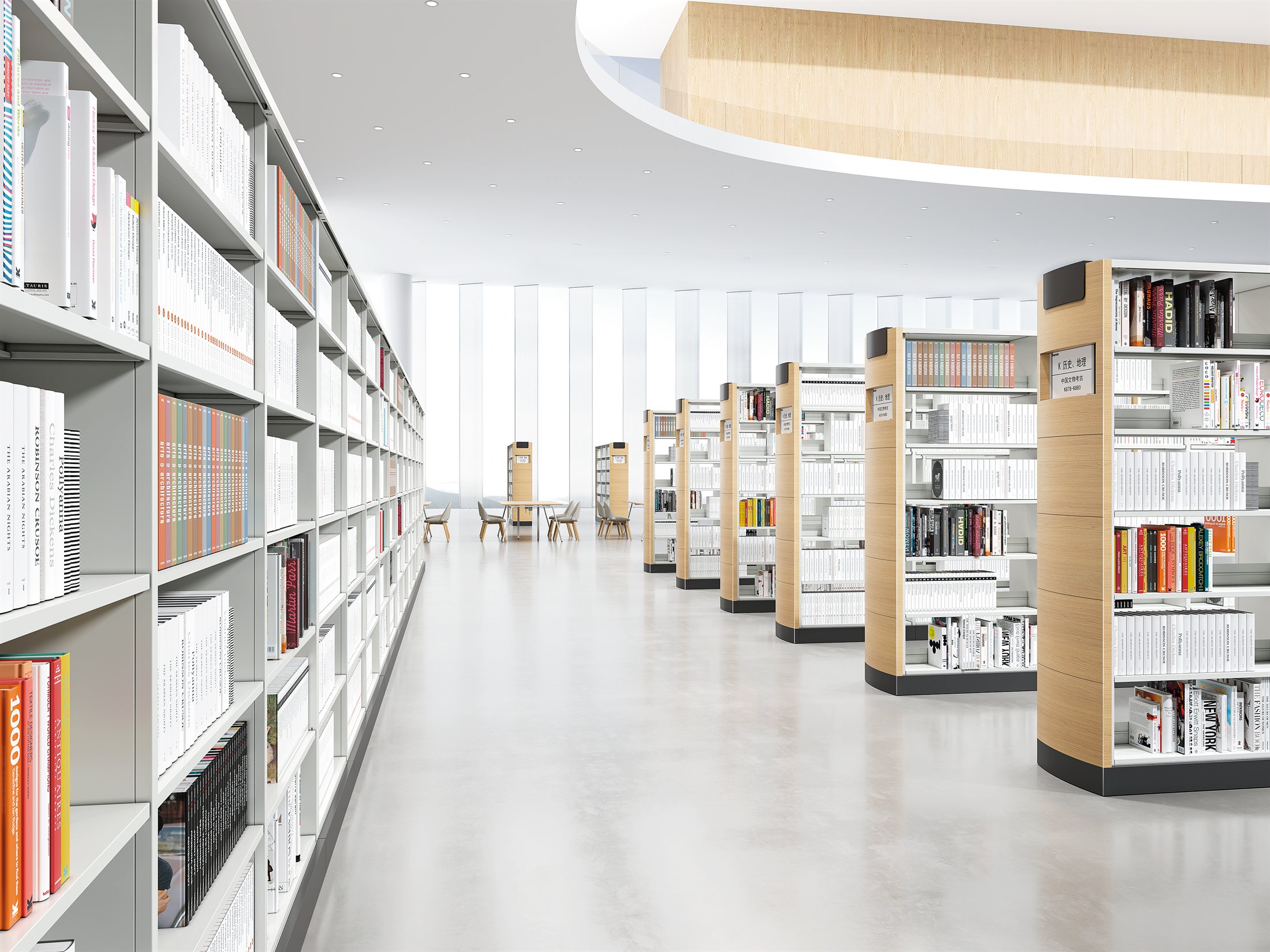
In a classroom, check that students can see the teaching area and that the teacher can move between desks. Keep routes to doors and storage clear. In a library, plan shelves, study tables and circulation together so that browsing does not interrupt quiet work.
Use furniture to create learning zones
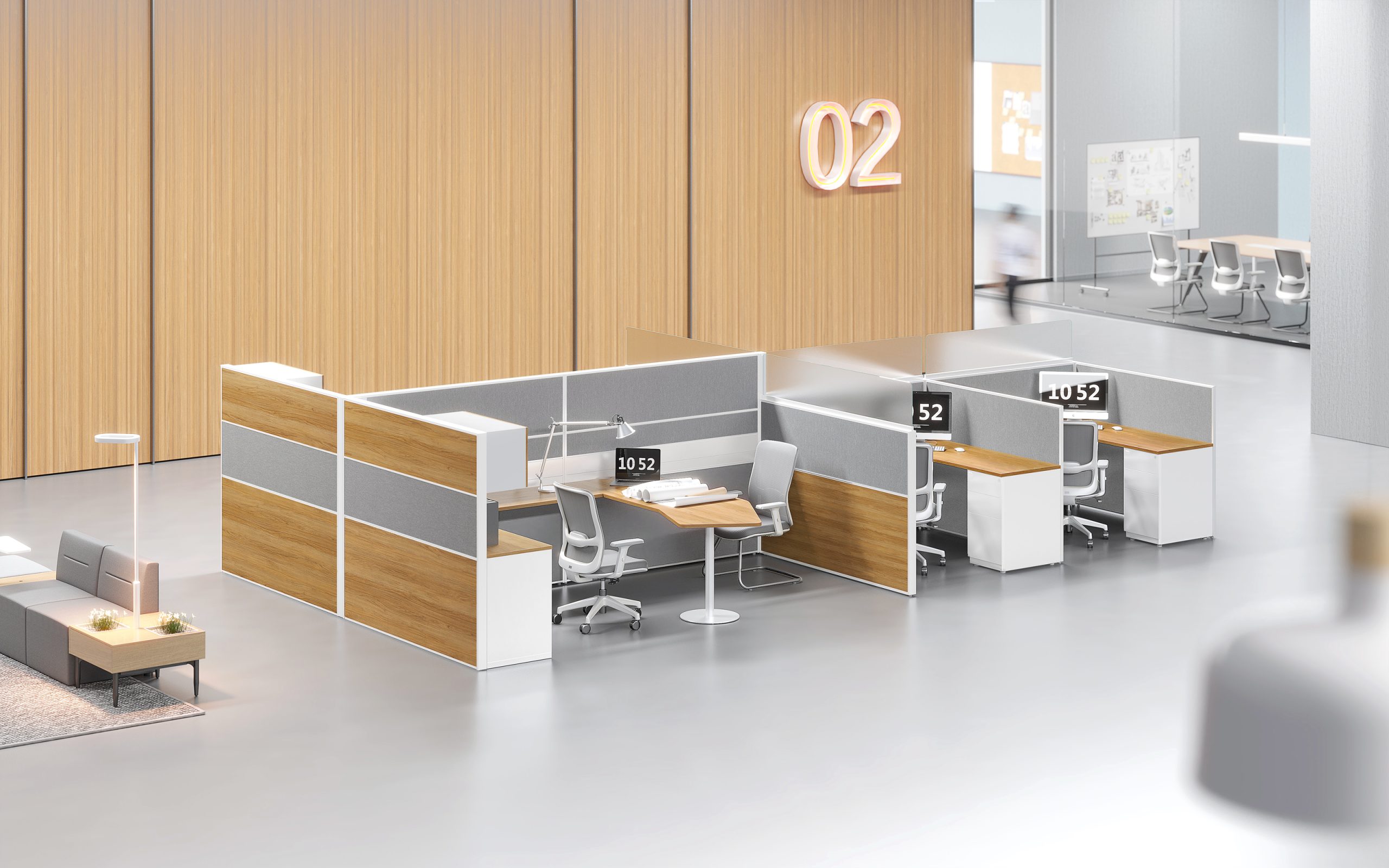
Group tables can support collaborative activities, while individual desks or carrels can provide a different setting for focused work. Informal lounge seating can create a reading corner or discussion point. In a multipurpose room, movable furniture can help staff reconfigure the layout between classes or events.
Check size, durability and storage
Furniture should suit the students who will use it and the routines of the institution. Confirm table heights, chair dimensions, storage needs and material care requirements. Ask how desks or chairs can be moved and stored if a room is reconfigured. Review samples and product details with the facilities team before finalising a bulk order.
Plan the full learning environment
Furniture works alongside lighting, acoustics, technology and teaching methods. Coordinate the layout with power points, screens and display areas. Keep enough flexibility for different class formats while ensuring that everyday routes and supervision remain practical.
From classroom desks to library study furniture, a clear plan helps institutions compare options with confidence. Explore education furniture for classrooms and learning spaces and share room dimensions before selecting a layout.